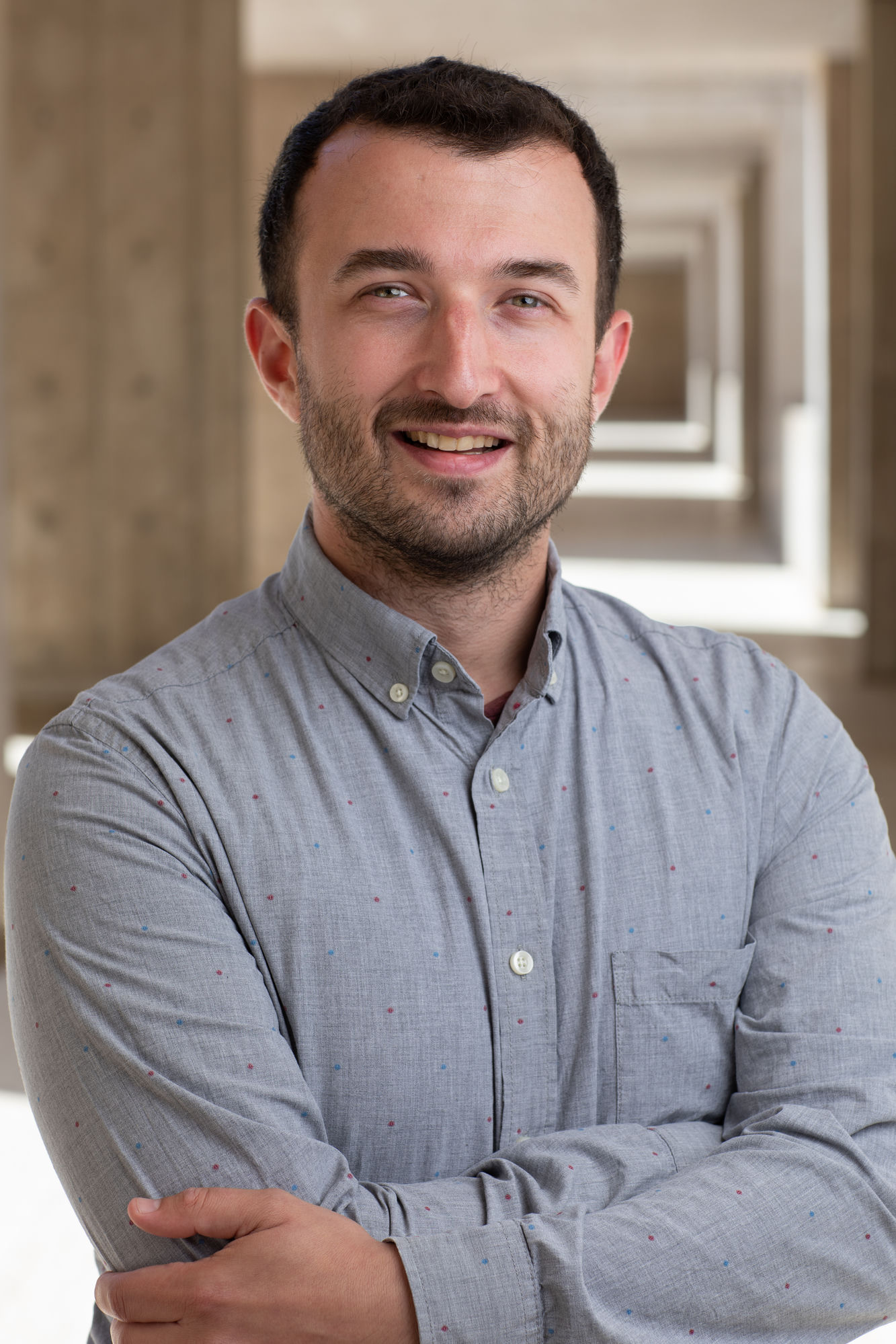
Eric Leonardis, PhD
Principal Scientist, Autonomous Cardiac Control Systems at MaxWell Biomedical, developing a next-generation autonomous control system for cardiac resynchronization therapy using techniques from dynamical systems theory, signal processing, electrophysiology, and machine learning. Previously a postdoctoral fellow in computational neuroscience at the Salk Institute for Biological Studies, co-advised by Talmo Pereira and Eiman Azim. PhD in Cognitive Science from UC San Diego, advised by Andrea Chiba. I have years of experience building computational models of biological motor control using deep reinforcement learning and high-fidelity musculoskeletal simulation. I communicate science to popular audiences through film screenings, panels, podcasts, and interviews with media outlets like WIRED and Polygon. I have also served as a scientific advisor for film through the National Academy of Sciences Science & Entertainment Exchange, the Alfred P. Sloan Foundation, and NYU Tisch School of the Arts.
Featured Publications
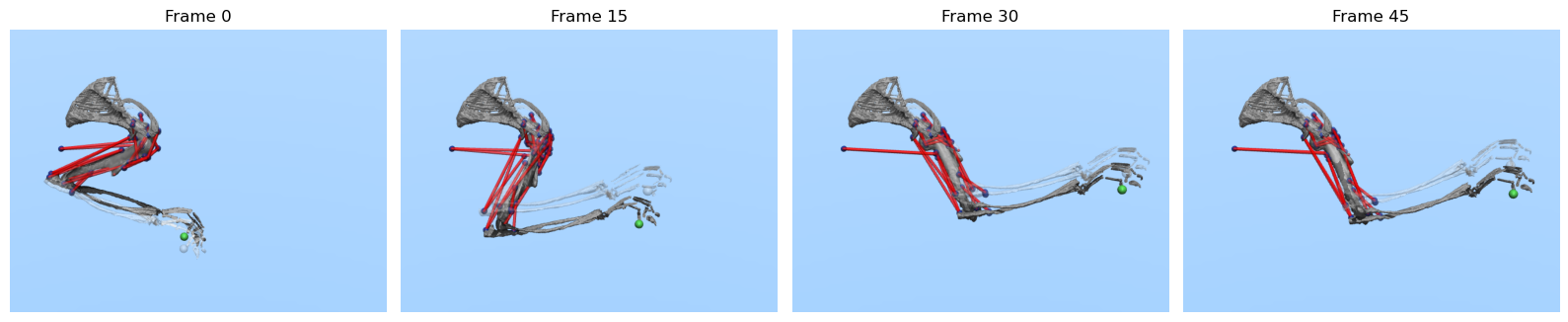
Massively Parallel Imitation Learning of Mouse Forelimb Musculoskeletal Reaching Dynamics
Our paper has been accepted to the NeurIPS 2025 — Data on the Brain & Mind: Concrete Applications of AI to Neuroscience and Cognitive Science Workshop. We utilize MIMIC-MJX which uses JAX and MuJoCo-MJX to elicit speeds of more than 1 million steps per second through the physics and RL environment. This enables massively parallel imitation learning of mouse forelimb musculoskeletal reaching dynamics, bridging high-fidelity biomechanical simulation with scalable reinforcement learning to study the neural computations underlying motor control.
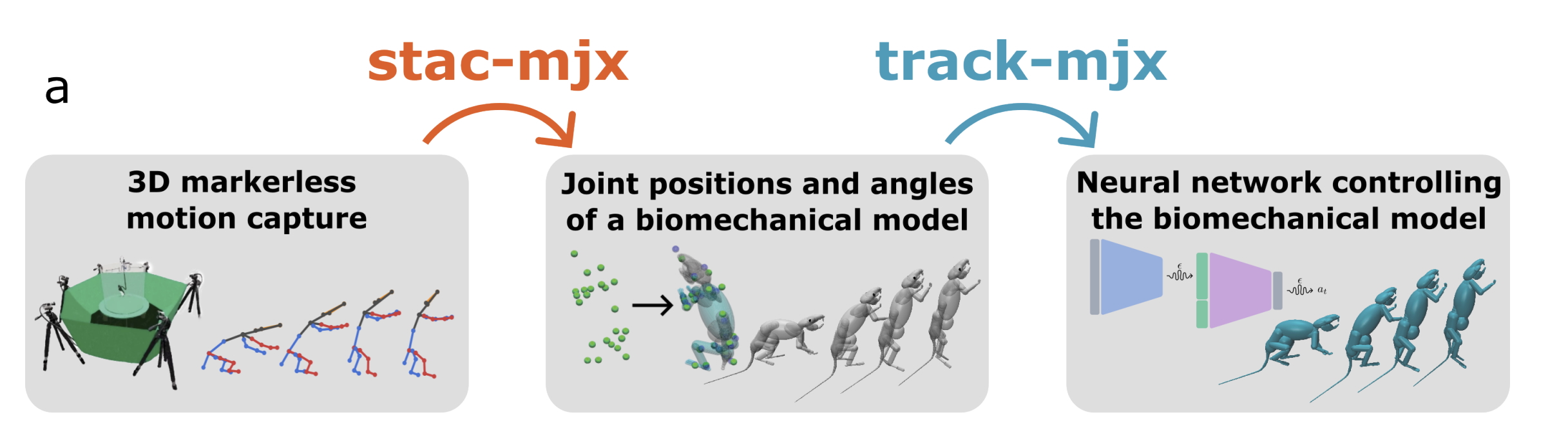
MIMIC-MJX: Neuromechanical Emulation of Animal Behavior
A new collaborative preprint on our neuromechanical modeling framework, integrating stac-mjx and track-mjx for data-driven control of biomechanical bodies in physics simulation. MIMIC-MJX enables high-speed imitation learning from motion capture data through fully differentiable, GPU-accelerated simulation, allowing researchers to fit biomechanical models to real animal movement data at unprecedented scale.
Documents
1-Page Resume
A concise overview of research experience, technical skills, publications, and education. Ideal for industry and applied research positions.
Curriculum VitaeFull Academic CV
Complete academic record including publications, conference presentations, teaching, mentorship, and professional service.
Science Communication
Body Horror and the Brain
Exploring the neuroscience of body horror, disgust, and the insular cortex through the lens of film and media.

Polygon — Virtue and a Sledgehammer hits different. We asked a neuroscientist to explain why.
An interview on why smashing things feels so good, prompted by the Deconstructeam and Selkie Harbor game Virtue and a Sledgehammer, covering the debunked myth of catharsis, the neurochemistry of destruction, ritual destruction in archaeology, and the illusion of control.
Film
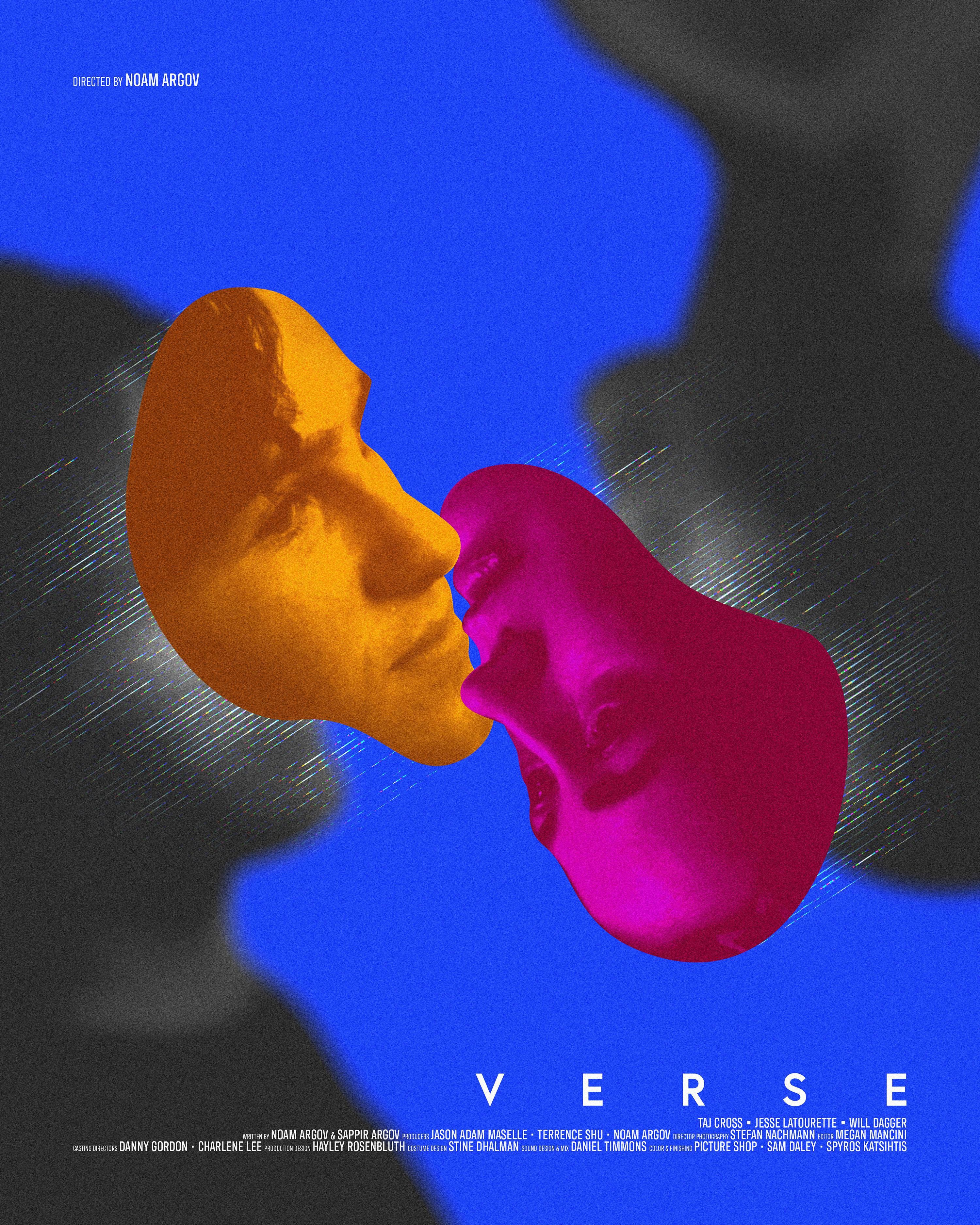
VERSE — Science Advisor
Science advisor for VERSE, a short drama directed by Noam Argov and funded by a 2024 Sloan Foundation grant through the NYU Tisch School of the Arts Production Award. I was connected to this project through the National Academy of Sciences Science and Entertainment Exchange, which pairs scientists with filmmakers to improve the portrayal of science in media. The film explores identity and trauma through a dual-reality narrative examining the psychological impacts of virtual experiences, the disconnect between online and offline selves, and how digital violence affects real emotional wellbeing. I consulted on the neuroscience and psychology of virtual embodiment, dissociation, and trauma processing. Screening at upcoming film festivals in 2026.
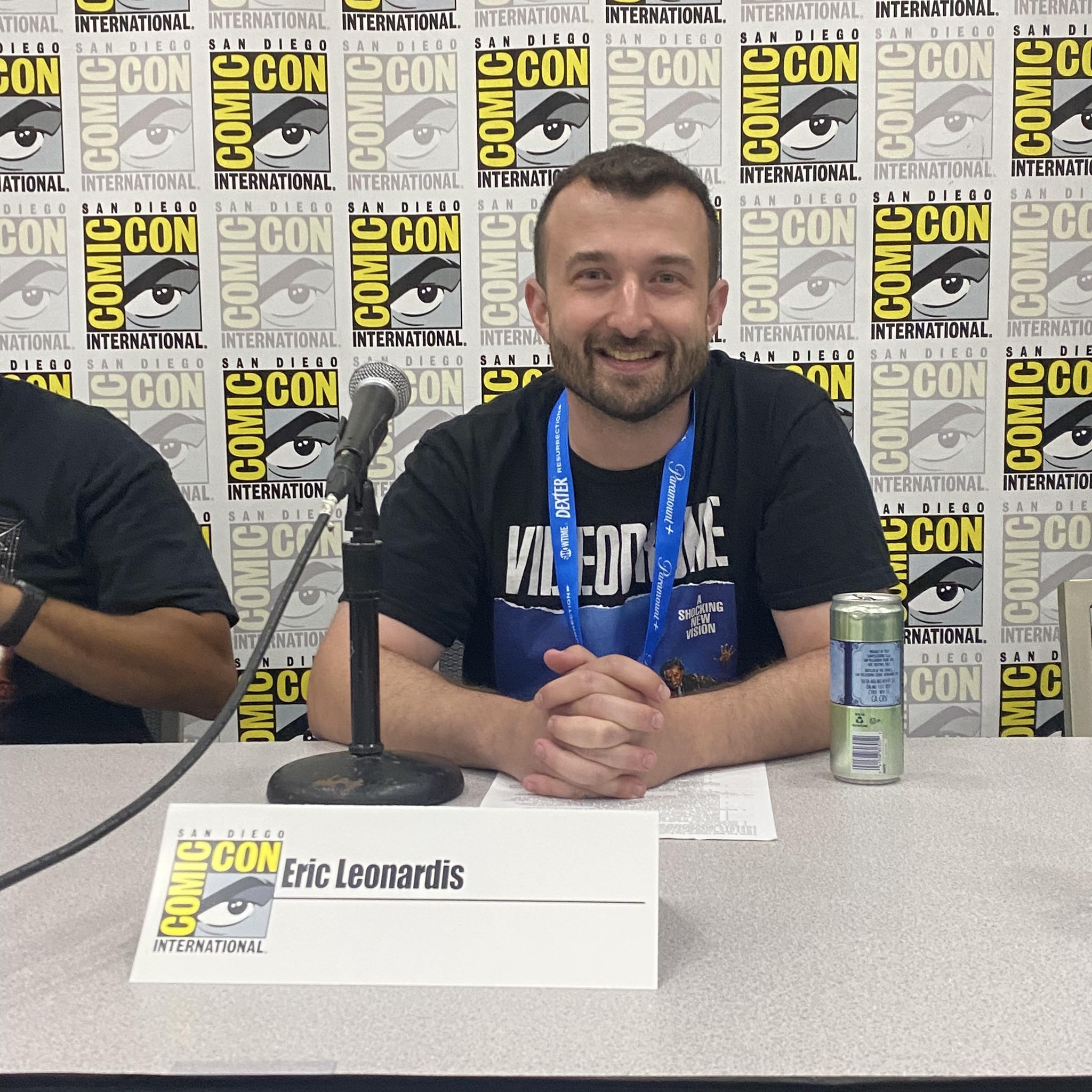
The Evolution of A.I. through Film and in Reality
The Fleet Science Center brought together writers James and Sharla Oliver (Marvel's Agents of S.H.I.E.L.D.) and scientists to explore the role of A.I. in pop culture, media, and beyond. From Metropolis in 1927 to Ex Machina and M3GAN, we discussed the evolution of A.I. representation in media and explored the future of an A.I.-driven world. Panelists: Bea Mendez Gandica, Lataisia Jones, Ajani Brown, Laurel Riek, and myself. Moderated by Andrea Decker, Fleet Science Center.