Science Communication
Public talks, press, and outreach bridging neuroscience, AI, and culture.
Featured

Virtue and a Sledgehammer hits different. We asked a neuroscientist to explain why.
I was interviewed about why smashing things feels so good, both in rage rooms and in the upcoming Deconstructeam and Selkie Harbor game Virtue and a Sledgehammer. We discussed why catharsis is a debunked myth, the endocannabinoids, endogenous opioids, dopamine, and serotonin released when you swing a sledgehammer, ritual destruction in archaeology, the illusion of control, and why bashing robots resonates in an age of AI and transhumanism.

Resident Evil and Silent Hill Are Just as Cozy as Animal Crossing, According to Science
I was interviewed about why horror games can feel cozy. Genuinely calming games like Animal Crossing lower your heart rate in a way Resident Evil never will, but for many horror fans the comfort is real: we discussed how horror serves a useful evolutionary function by creating a safe space to rehearse how we would react to a predator attack or a zombie apocalypse.
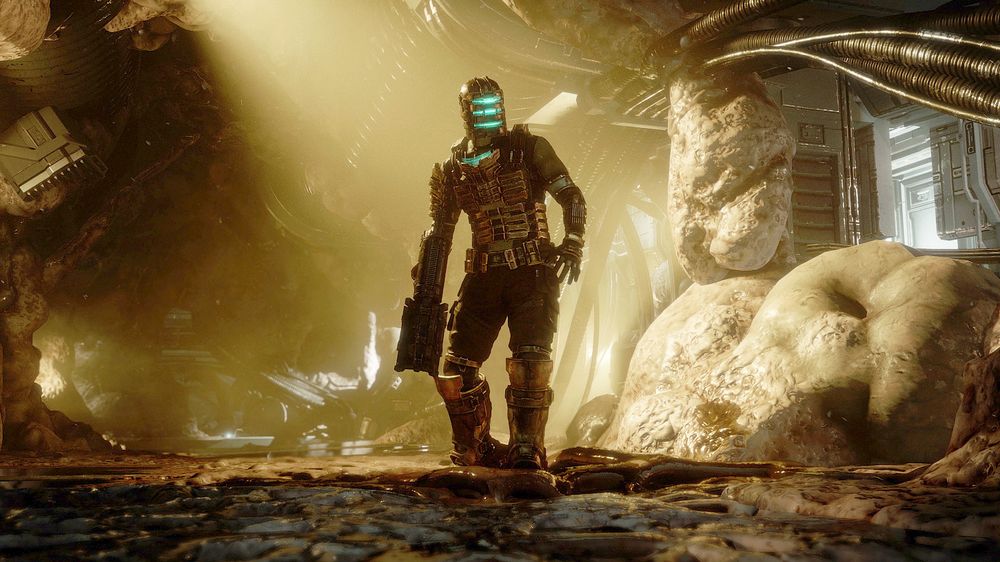
What Creepy Video Game Sounds Do to Your Brain
I was interviewed about body horror and the insular cortex. We discussed an HR Giger-inspired survival body-horror video game Scorn and its relationship to embodied cognition and the neuroscience of disgust.
Events
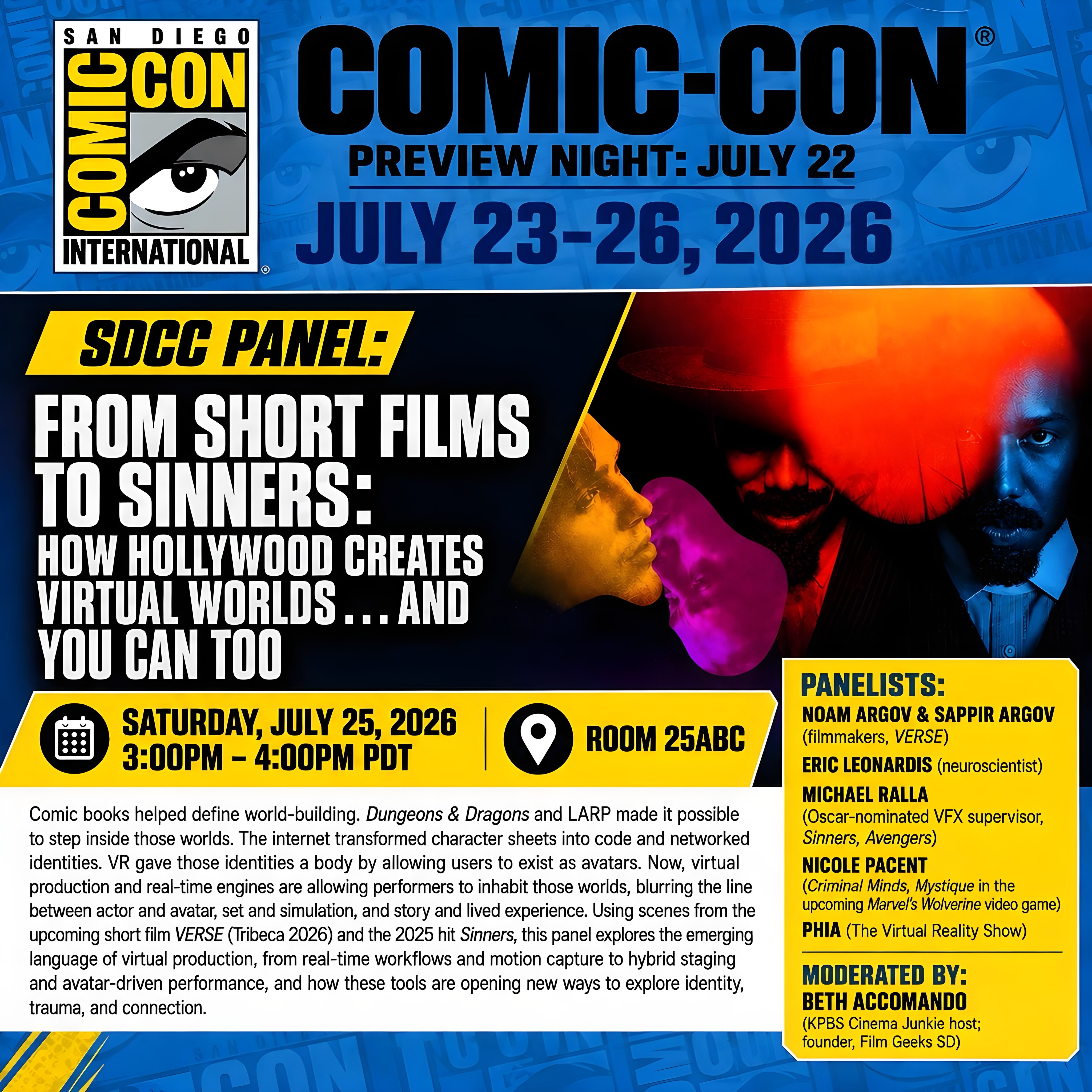
From Short Films to Sinners: How Hollywood Creates Virtual Worlds . . . and You Can Too
Using scenes from the upcoming short film VERSE (Tribeca 2026) and the 2025 hit Sinners, this panel explores the emerging language of virtual production, from real-time workflows and motion capture to hybrid staging and avatar-driven performance, and how these tools are opening new ways to explore identity, trauma, and connection. Panelists Noam Argov and Sappir Argov (filmmakers and game designers), Eric Leonardis (neuroscientist), Michael Ralla (Oscar-nominated VFX supervisor, Sinners, Avengers), Nicole Pacent (Criminal Minds, Mystique in the upcoming Marvel's Wolverine video game), and PHIA (The Virtual Reality Show) discuss how these technologies are used in major studio films and how creators can apply them to their own work. Moderated by Beth Accomando (KPBS Cinema Junkie host; founder, Film Geeks SD).
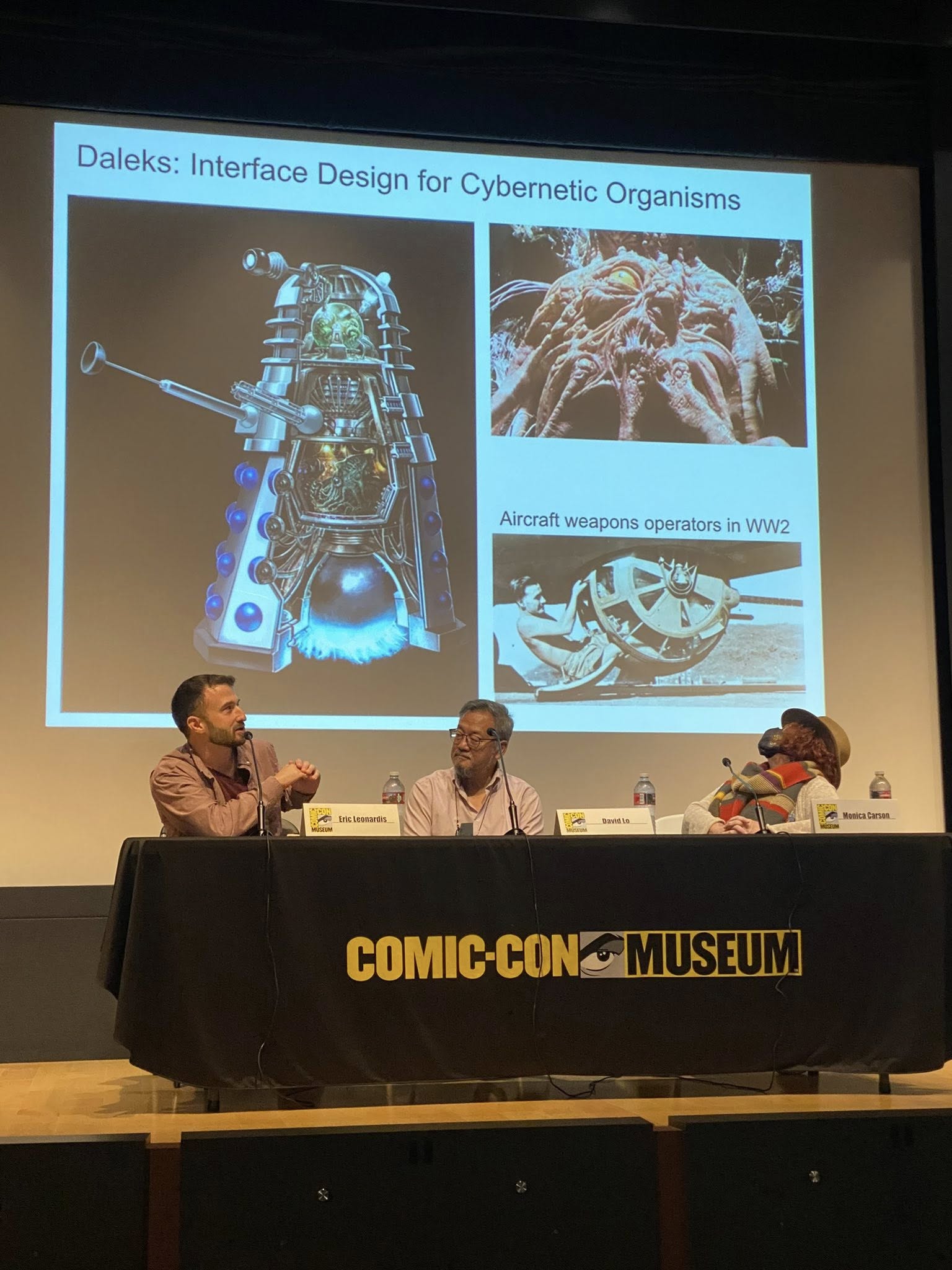
Timey-Wimey Robotics and Biotechnology in Doctor Who
Q&A panel at the Comic-Con Museum with biotech professors discussing the science behind our favorite robots and cyborgs from Doctor Who: the Daleks, Cybermen, K9, and the TARDIS. Complete with my rant about how Dalek tentacles may improve UX design. Thanks to Professors Mark Glassy, Monica Carson, David Lo, and Melissa Truth Miller for organizing.
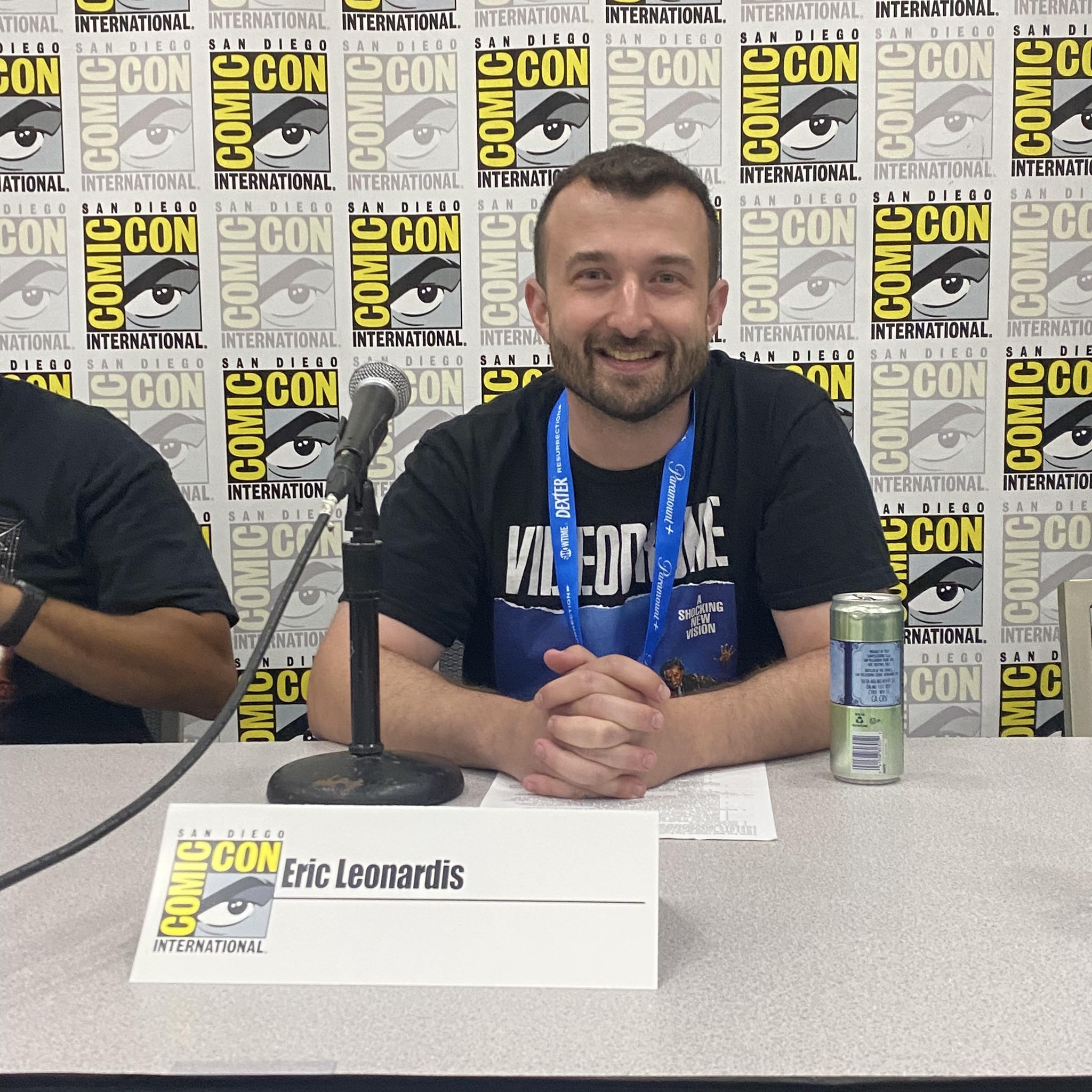
The Evolution of A.I. through Film and in Reality
The Fleet Science Center brought together writers James and Sharla Oliver (Marvel's Agents of S.H.I.E.L.D.) and scientists to explore the role of A.I. in pop culture, media, and beyond. From Metropolis in 1927 to Ex Machina and M3GAN, we discussed the evolution of A.I. representation in media and explored the future of an A.I.-driven world. Panelists: Bea Mendez Gandica, Lataisia Jones, Ajani Brown, Laurel Riek, and myself. Moderated by Andrea Decker, Fleet Science Center.
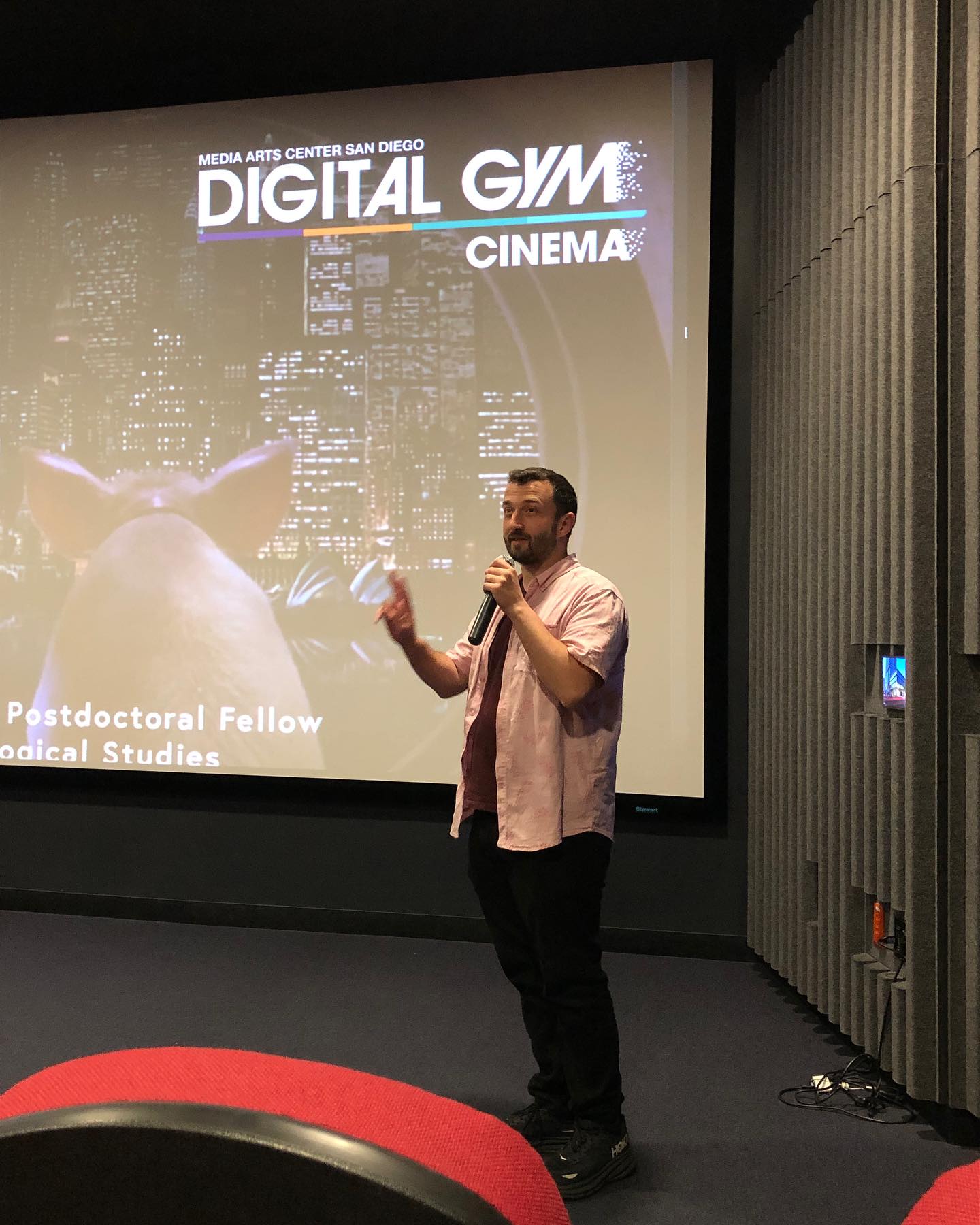
Babe: Pig in the City — Animal Perspectives in Film
Post-screening presentation on animal perspectives in film, exploring embodied cognition, the evolution of communication, and how animals use signs and signals to convey territory, hierarchy, and meaning. Part of Science on Screen, an initiative of the Coolidge Corner Theatre with major support from the Alfred P. Sloan Foundation.
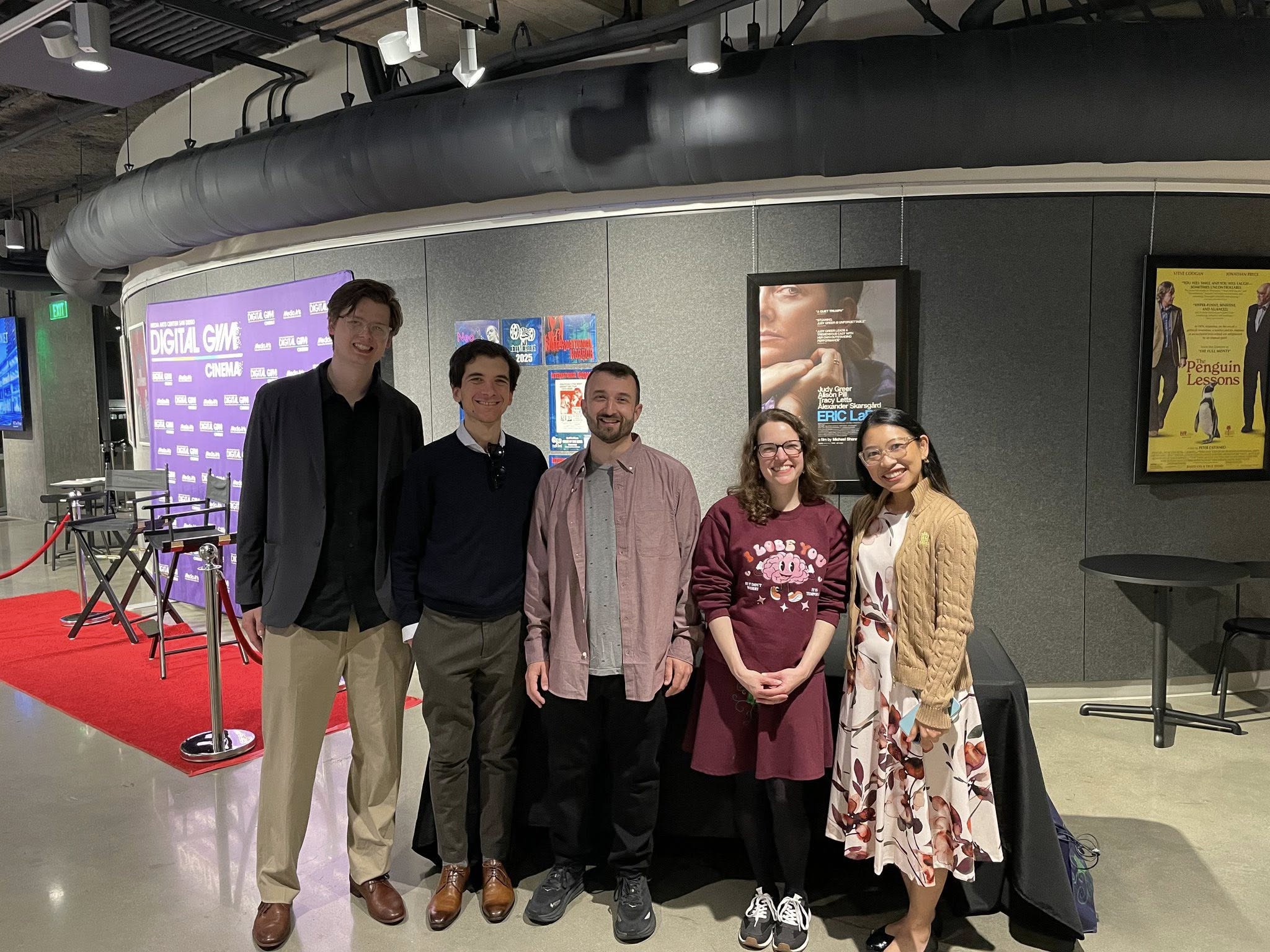
The Elephant Man — The Uncanny Valley, Disability, and Bodily Difference
Pre-film talk and post-screening Q&A for David Lynch's The Elephant Man in collaboration with the American Academy of Neurology and Film Geeks SD at Digital Gym Cinema. I discussed the perception of bodily difference, exploitation, compassion, medical ethics, and the uncanny valley in relation to disability. In memory of David Lynch.
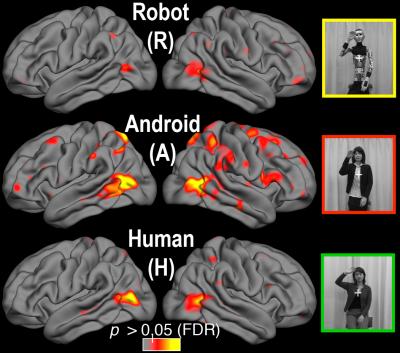
The Uncanny Valley in the Animal Kingdom
Why do humans (and even animals) get uneasy around robots that almost move like us? A talk exploring how brains detect when social expectations are violated (Saygin et al.), and what that means for the future of robots, AI, and storytelling. Presented at Slater's 50/50 as part of Fleet Science Center's Suds & Science series.
Mating Behavior of the Túngara Frog
Presentation on mating behavior of the Túngara frog at Fleet After Dark, an adult-themed event about the science of evolution and attraction. Fleet Science Center, Balboa Park, San Diego.
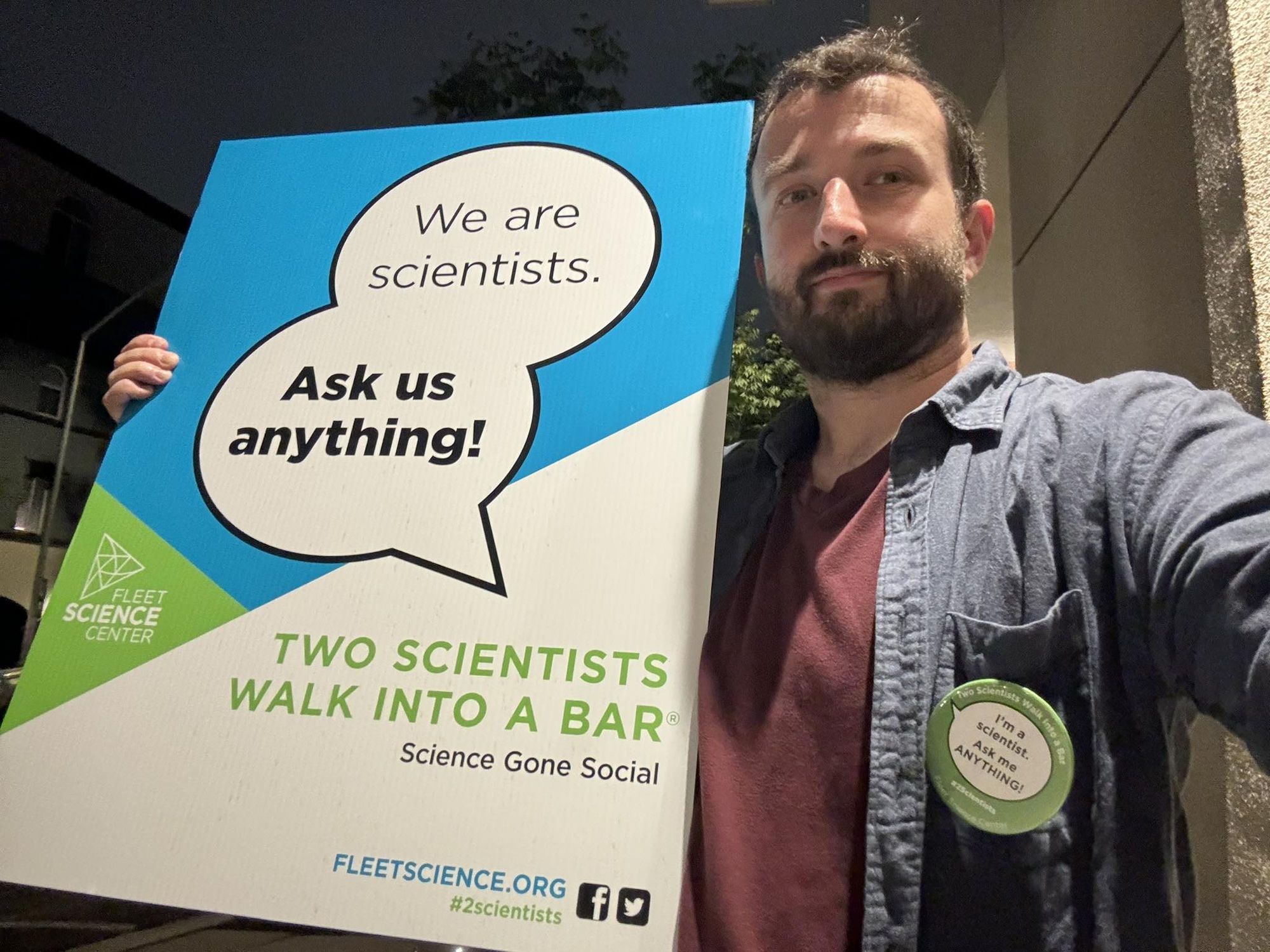
Science Gone Social
Public science outreach with Fleet Science Center at 619 Spirits North Park. Chatting with folks about science and life over drinks. Thanks to Beth Accomando and Kata Pierce-Morgan for stopping by to discuss how to protect against a possible zombie apocalypse.
Explaining AI: Explainability in Neuroscience and Machine Learning
Invited lecture at Hofstra University's Guthart Cultural Center Theater. How did we get here? Why is explaining AI uniquely difficult? Why is it ethically so important for us to explain and understand AI? I presented my current research on explainability in neuroscience and machine learning systems.
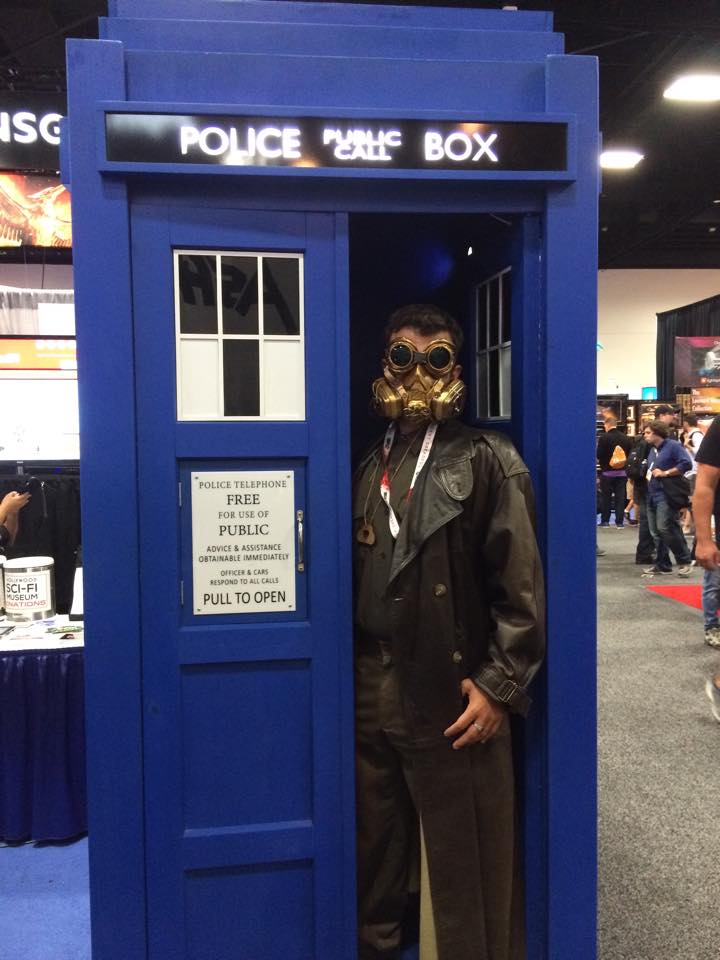
Time Machine — Science After Hours at The Nat
I gave a talk on the possibility of time travel and how the laws of physics and thermodynamics limit our ability to travel back in time. We discussed the Thermodynamic Arrow of Time and why entropy and irreversibility are key aspects of what makes time go forward. Part of a 21+ after-hours adventure at the San Diego Natural History Museum where guests explored future worlds using virtual reality while sipping craft cocktails.
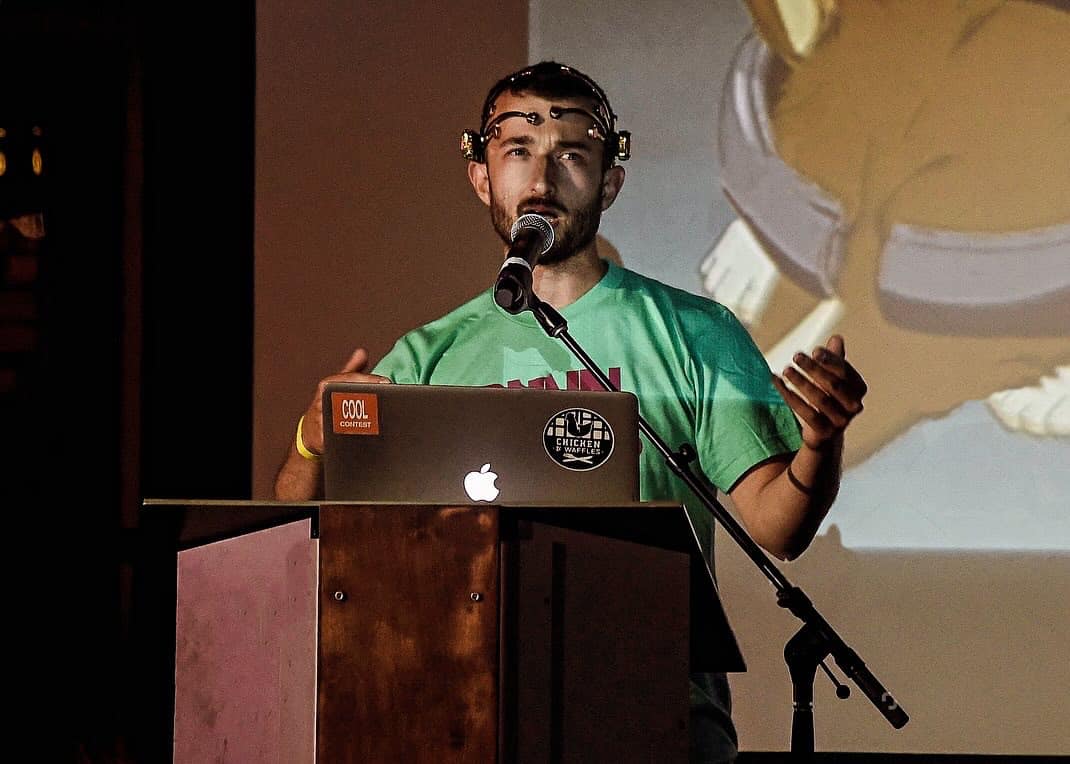
Brain Games Shark Party — Brain Computer Interfaces and Neuroethics
A talk about brain computer interfaces and the potential ethical issues that will arise with these technologies, and how to protect your own brain data. Presented at the National Geographic Brain Games Shark Party at Comic-Con International, Solamar Terrace & Pool. Presenters included Cara Santa Maria (Nat Geo's Brain Games) and Eric Leclerc (the Imagination Illusionist).
Press
Meet Eric Leonardis
Interview feature in SD Voyager magazine.
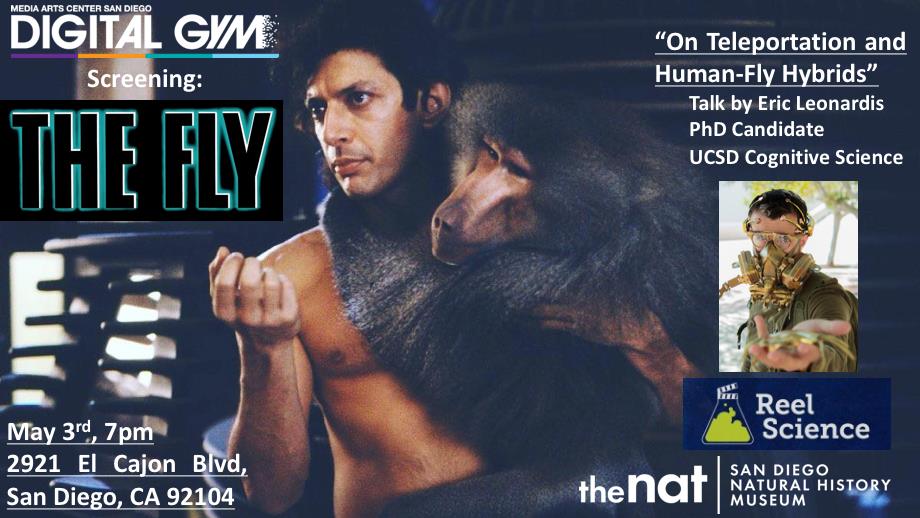
The Nat and Digital Gym Cinema Partner for Third Year of Reel Science
"What we've learned in the past 20 years is that the body matters a lot and the mind can't really exist without a body. That's kind of why I chose The Fly and Cronenberg because body horror throws it in your face."
Podcasts & Media
Pop Culture, Neuroscience, and COVID-19
Radio interview on KPBS Midday Edition discussing the intersection of pop culture, neuroscience, and the COVID-19 pandemic.
Reel Science — Episode 30
Featured on KPBS Cinema Junkie podcast discussing The Fly, teleportation, embodied cognition, and the Reel Science film series.
Collaborators